




Understanding summer bentgrass decline: What the research reveals
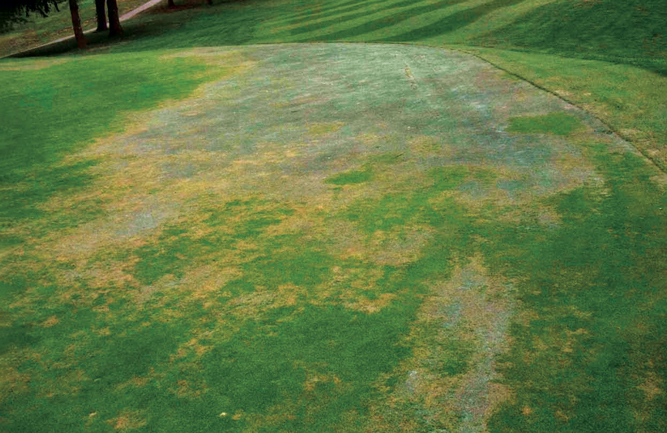
The greens enter summer looking healthy, only to begin thinning as temperatures climb. Roots shorten, recovery slows and turf quality slips despite careful irrigation, fertility adjustments and disease prevention programs.

For decades, the golf industry has referred to this phenomenon as summer bentgrass decline, but one of the most influential studies on the subject suggested the problem may be less about disease and more about energy.
In a landmark Green Section Record article, published March-April 2006, Rutgers University researcher Bingru Huang, Ph.D., and colleagues examined how high temperatures and low mowing heights affect creeping bentgrass physiology. Their work revealed a simple yet powerful concept: During prolonged heat stress, creeping bentgrass can run out of carbohydrates.
As temperatures rise, respiration increases, consuming more energy. At the same time, photosynthesis declines, especially when turf is maintained at ultra-low putting green heights.
The result is a carbon deficit that leaves the plant with fewer reserves to support roots, maintain physiological function, and recover from stress.
The research demonstrated that root decline often precedes visible turf deterioration. As carbohydrate reserves diminish, root mortality increases, water and nutrient uptake decline and turf quality eventually suffers.
Heat-tolerant cultivars maintained greater root activity and carbohydrate availability, while lower mowing heights accelerated depletion of energy reserves.
Nearly two decades later, Huang’s work remains foundational because it explains why many summer management practices ultimately come down to one objective: protecting the plant’s carbon economy.
Subscribe to Golfdom



If you enjoyed this article, subscribe to Golfdom to receive more articles just like it.