





Tour Guide 2026: Myrtle Beach Classic
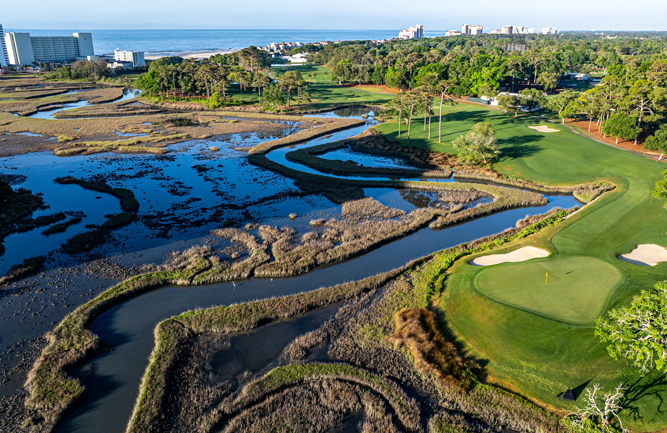
While the Myrtle Beach Classic may be one of dozens of PGA Tour tournaments in 2026, for Steve Hamilton, CGCS and The Dunes Golf and Beach Club’s director of agronomy, it’s a proud focal point of his year. As he heads into the club’s third of its four-year contract to host the event, his approach reflects the expertise of someone who has facilitated this waterfront classic for years.
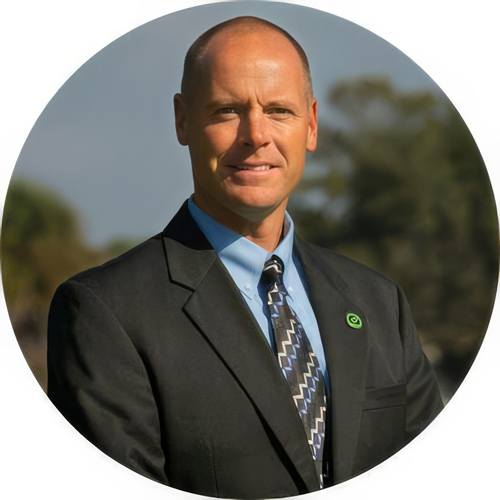
Hamilton’s path to Myrtle Beach started in his hometown of Richmond, Va., before leading to his time as a student at Virginia Tech in Blacksburg, Va. He played a variety of sports as a kid and ended up playing baseball in college while enrolled in the horticulture program. The plan after graduation was to go back home and wholesale plants to housing developments and landscapers.
“I was like, ‘Dad, I’m not quite sure that I want to kind of go down that route,’” Hamilton remembers.
Chance and circumstance
At Virginia Tech’s campus course, you could play golf “for six bucks, all you can play, all day long,” Hamilton says. One day, he bumped into a professor, and they struck up a conversation. Hamilton talked about how he’d worked on a course outside Richmond in high school, mowing greens and weeding creek banks early in the morning.

“I had zero idea that I was ever going to get into this at all,” he says.
Hamilton’s professor recommended that he come and sit in on his Turf 101 class. And since Hamilton was already familiar with some of the material, one thing led to another, and he graduated from Virginia Tech with two degrees in horticulture and crop and soil environmental sciences.
“I guess it was just kind of dumb luck that I had ran into him,” he says.
His first stop post-graduation was Pinehurst, where he worked at The Country Club of North Carolina for superintendent George Thompson, a USGA Green Section Award, GCSAA Distinguished Service Award and Carolinas GCSA Distinguished Service Award winner.
“He’s one of the icons back in the day of our region, really the Southeast,” Hamilton says.
Taking a superintendent job at The Dunes in 2001, he figured he’d stay for maybe three to five years. But, nearly 25 years later, he looks back and laughs about how he “fooled some people” into believing he knew what he was doing when they hired him — and how he’s been “fooling them ever since.”
One of the biggest reasons he took the job was the golf course. It’s a historic Robert Trent Jones design built in 1948 that “has kind of stood the test of time,” Hamilton says. The club is roughly 230 acres adjacent to the Atlantic and experiences the coastal sunrise every morning. Hamilton also added that there’s more movement and roll than anticipated for a seaside course.
“It’s a really unique piece of property that has been a treat to be able to work on for the past couple of decades,” he says.
Coming together
Hosting a PGA Tour event at The Dunes came together quickly.
“Usually, when you get awarded a PGA Tour or a large, fairly decent event, you have a few seasons to prepare for it,” Hamilton says. “I think we had 10 or 11 months once they awarded us the tournament.”
Once the club got the word, the team moved fast to prepare. “We had to do some tee work on our championship tee decks,” Hamilton says — most of those tees were redone, and zoysiagrass was installed on the surfaces. “But other than that, we didn’t do too much else to the golf course, which was great. I think it was a testament to our teams that we were able to host an event that quickly,” he says.
Pulling off an event like this is more than just turf work. Hamiliton and the team juggle daily course tasks for club members and all the amenities, along with the extra load of tournament preparation.
“You put an annual event on top of that, and that’s kind of a big portion of what I work on throughout the year,” he says.
Hamilton says that perspective shapes everything, from how he plans to how he defines success: Similar to a football game, the execution matters most, and his goal for everyone at the club is to win together. He strives to be an even-keel person in times of chaos and when things don’t go in a certain direction.
Tournament week, he jokes, is “organized chaos,” from managing weather issues to planning where helicopters can safely drop in celebrities, but he does it all with a positive mindset. His advice is simple for students watching and working alongside him: be curious, be patient and be consistent.
“Don’t allow a bad situation to dictate the things that you have control over,” he says. “You can learn just as much what not to do as you can what to do.”
Subscribe to Golfdom



If you enjoyed this article, subscribe to Golfdom to receive more articles just like it.