





Tips for managing chinch bugs in the summer

To fit in with this month’s cover theme — the thankless summer — let’s spotlight an insect that likes to rear its ugly head at the most challenging time of the year: chinch bugs.
This insect can negatively impact golf course turf from coast to coast. The summer of 2025 was particularly bad for chinch bug damage, especially in areas that endured prolonged periods of heat. Chinch bugs are nothing if not opportunistic, and turf that is already under heat stress — and irregular precipitation — is an ideal feeding situation for them.
Golfdom sat down with Nathan Nordstedt, Ph.D., technical services manager at Quali-Pro, to discuss these pests, what superintendents and their assistants should look for and how best to battle back this enemy of groundskeepers everywhere, including Mr. Carl Spackler.
Chinch aren’t a cinch to ID
One of the biggest challenges with chinch bug damage is it’s easily mistaken for other problems. The most common one is drought stress, but it can also be confused for large patch or summer patch, chemical burn, improper mowing or even damage from animal urine.
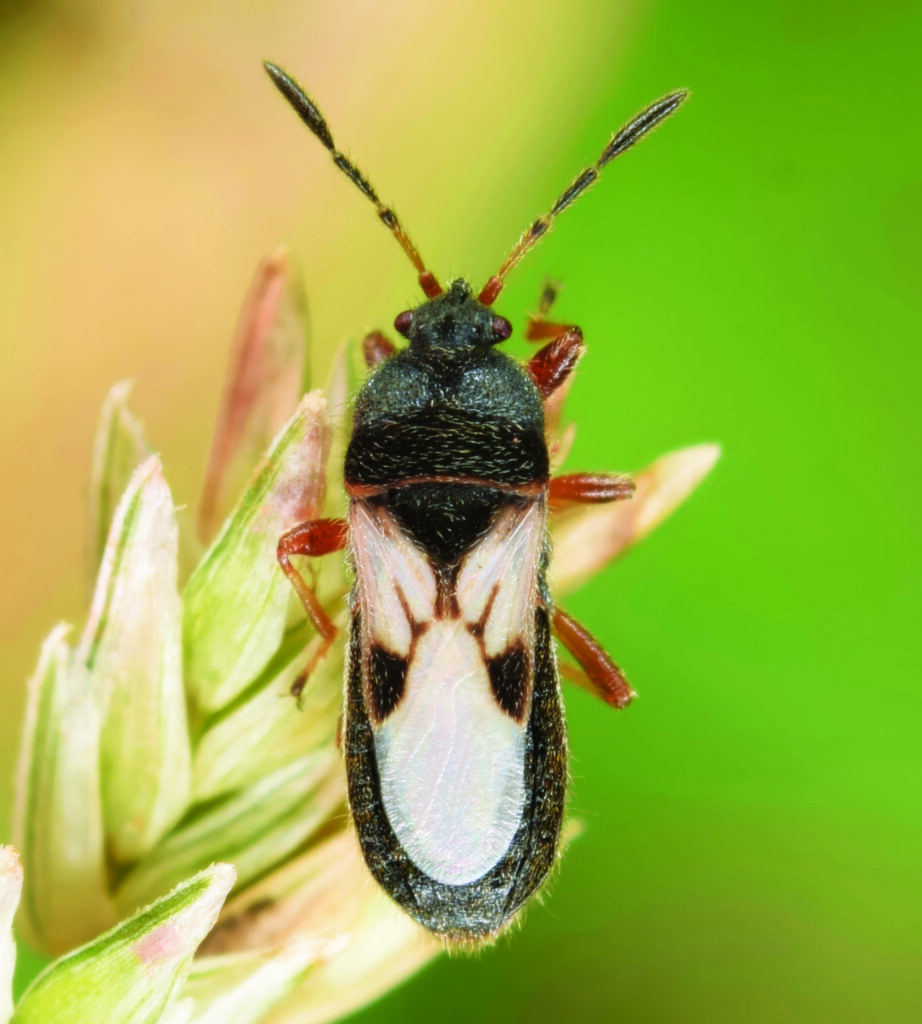
almost X-like pattern on their backs. (Photo by: Christina Butler / Wikimedia Commons / CC BY 2.0)
Early signs of damage are irregular patches of yellowing or wilting turf, Nordstedt says. Turf gradually turns brown as the chinch bugs remove plant fluids while they’re feeding.
“The best advice I have is, do not make assumptions based solely on symptoms,” Nordstedt says. “It is important to get down on your hands and knees, get down in that turf canopy, inspect the thatch layer. That’s typically where they’re going to be hiding.”
A simple visual inspection or flotation test should confirm whether chinch bugs are present and save an unnecessary fungicide application or irrigation adjustment. Infestations typically begin in localized hot spots — near sidewalks and cart paths, south-facing slopes and other areas that experience greater heat stress.
“These locations warm up first and dry out faster and are usually the starting point for population growth,” Nordstedt says.
These areas are a good starting point for chemical control. Nordstedt advises targeting the younger nymph stage over the larger adult population.
“If you’re able to identify those younger nymph stages early enough, I highly recommend going out with an insect growth regulator, like Suprado, that’s going to play an important role in disrupting development and then preventing the population from exploding,” he says. “But I have to emphasize, rotate modes of action. Chinch bugs are notorious for developing resistance. Populations of pyrethroid-resistant chinch are already common in Florida and other southern states.”
Looking ahead
As far as trends with the insect, the hairy chinch bug is expanding throughout the Midwest, the Mid-Atlantic and the Northeast.
“These regions have certainly dealt with the pest in the past, but reports are becoming more frequent,” Nordstedt says. “Populations certainly appear to be increasing, and there is becoming a more consistent management concern on cool-season turf.”
At the same time, the Southern chinch bug remains one of the most economically significant pests in warm-season turf, primarily in St. Augustinegrass, but also bermudagrass and zoysiagrass.
Nordstedt anticipates this summer will be an equally difficult summer for chinch bugs on golf courses, if not worse, compared to last year. A mild winter could contribute to improved overwintering, something to consider each year when thinking ahead to the upcoming golf season.
Nordstedt adds that one surprising thing about these pests is how small they are, but the damage they can create can be significant.
“It’s interesting that this pest often surprises people at just how small they are, and how small their population can be relative to the amount of stress they can cause,” he says. “They’re these little guys, and just a few of them can lead to a pretty big problem very quickly.”

Subscribe to Golfdom



If you enjoyed this article, subscribe to Golfdom to receive more articles just like it.