




Cohasset Golf Club’s Lunch and Learn event highlights a modern approach to dredging and dewatering
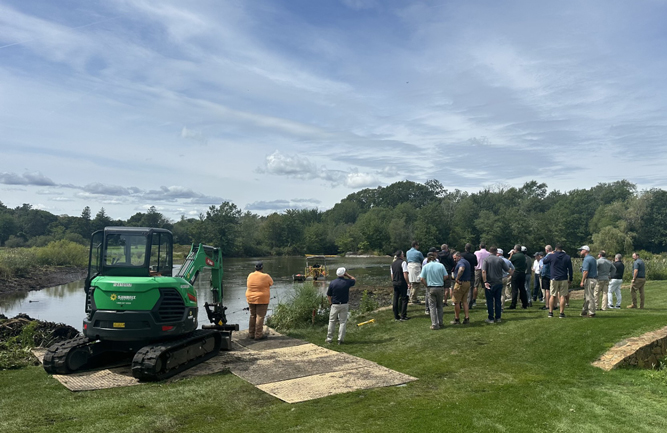
At Cohasset Golf Club, Superintendent Glen Miaszak and Paragon ISG Environmental Services recently hosted a Lunch and Learn that brought together golf course superintendents, owners and industry professionals from across New England for an educational look at dredging, environmental permitting, project planning and modern sediment dewatering.
Attendees included members of the New England GCSAA, Cape Cod GCSA and New England Golf Course Owners Association, providing an opportunity for professionals from across the region to exchange ideas about protecting and maintaining one of a golf course’s most important resources — water.
The program began with an educational discussion led by Sarah Stearns of Beals and Thomas, who addressed environmental regulations, permitting requirements, project planning and considerations facilities should understand before undertaking a dredging or pond-restoration project.
The discussion reinforced an important message for golf facilities: Successful water-management projects begin long before the dredge enters the pond. Understanding permitting, sediment conditions, available storage capacity, dewatering requirements, material handling and long-term objectives can help facilities develop a realistic plan and budget.
Seeing the process firsthand
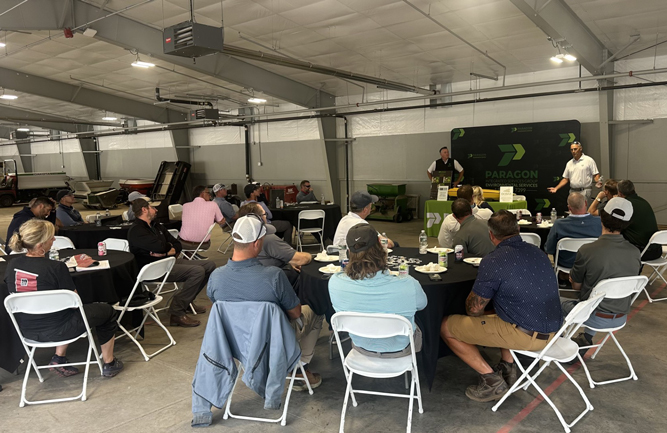
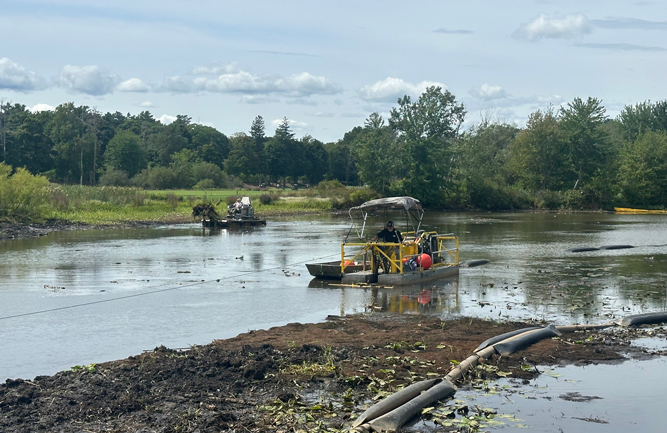
Following lunch, attendees visited the active Paragon ISG dredging project at Cohasset Golf Club, where they were able to see the hydraulic dredging and centrifuge dewatering process operating under actual golf course conditions.
The demonstration followed the sediment from its removal from the pond through processing and separation, ultimately producing dry, stackable material within minutes of leaving the water.
The centrifuge mechanically separates water from the dredged sediment in a continuous process. The separated solids can then be handled, transported or evaluated for beneficial reuse without the extended on-site drying period associated with traditional geotextile dewatering bags.
Depending on sediment composition, weather, site conditions and project requirements, geobag dewatering can require extended drying periods that may reach 90 days or longer before the material is ready for final handling.
For golf facilities where space, appearance, member experience and disruption to daily operations matter, reducing the dewatering footprint and accelerating material handling can offer significant project-planning advantages.
Turning education into better planning
The Cohasset event provided attendees with more than a presentation — it gave them an opportunity to see an active project, ask questions and discuss the complete process with environmental professionals and the Paragon ISG project team.
As sediment accumulation, shoreline erosion, changing rainfall patterns and irrigation demands place increasing pressure on golf course water resources, proactive evaluation and planning can help facilities protect storage capacity and prepare for future needs.
Subscribe to Golfdom



If you enjoyed this article, subscribe to Golfdom to receive more articles just like it.